
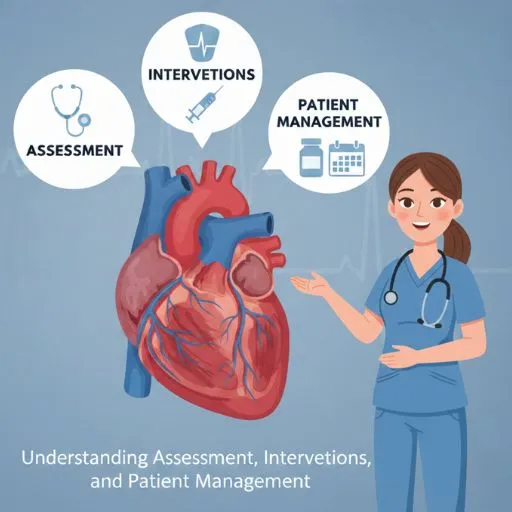
Myocardial Infarction NCLEX Review
Myocardial infarction is one of the most important cardiac emergencies nursing students must understand while preparing for the NCLEX-RN exam. Questions related to heart attacks frequently appear because they test clinical judgment, patient safety, and quick decision-making skills. A strong understanding of symptoms, nursing assessments, and treatment priorities can help students answer these questions with confidence while also preparing them for real clinical situations.
Understanding Myocardial Infarction
Myocardial infarction occurs when blood flow to a part of the heart muscle is blocked, leading to tissue damage. The blockage usually happens because of a clot forming inside a coronary artery. When oxygen supply stops, heart muscle cells begin to die, which can cause serious complications if not treated immediately.
For NCLEX preparation, it is important to understand that myocardial infarction is not only about recognizing chest pain. The exam often focuses on identifying early warning signs, prioritizing care, and understanding how to prevent complications.
Common Causes and Risk Factors
NCLEX questions often include patient scenarios where identifying risk factors plays a major role. Some common causes and contributing factors include:
- Coronary artery disease
- High blood pressure
- Smoking
- Diabetes
- High cholesterol levels
- Obesity and lack of physical activity
- Family history of heart disease
Students should remember that patients with multiple risk factors are more likely to develop myocardial infarction. Recognizing these factors helps nurses provide preventive education, which is another area frequently tested in exams.
Signs and Symptoms Nurses Must Recognize
Symptoms of myocardial infarction may vary among patients. While chest pain is the most common symptom, NCLEX questions often focus on less obvious signs, especially in elderly patients and women.
Typical symptoms include:
- Severe chest discomfort or pressure
- Pain spreading to the jaw, shoulder, or left arm
- Shortness of breath
- Sweating and nausea
- Fatigue and dizziness
Some patients may report mild discomfort rather than intense pain. Nursing students must understand that delayed symptom recognition can increase complications. NCLEX questions often test the nurse’s ability to identify unusual symptoms and respond quickly.
Nursing Assessment for Myocardial Infarction
Assessment is the first priority in managing myocardial infarction. The NCLEX exam commonly evaluates how well a nurse gathers and interprets patient information.
Pain Assessment
Nurses must evaluate the location, intensity, and duration of chest pain. Any sudden change in pain pattern should be reported immediately.
Vital Signs Monitoring
Blood pressure, heart rate, respiratory rate, and oxygen saturation provide clues about patient stability.
Cardiac Monitoring
Electrocardiogram monitoring helps detect heart rhythm changes. Recognizing abnormal heart rhythms is an important NCLEX skill.
Laboratory Tests
Blood tests such as cardiac enzyme levels help confirm myocardial infarction. NCLEX questions often ask students to interpret these test results.
Nursing Interventions and Emergency Management
In myocardial infarction cases, rapid action can save heart muscle tissue and reduce complications. Nursing students preparing for NCLEX must understand priority interventions.
Oxygen Administration
Providing oxygen improves oxygen supply to heart tissues. Nurses should monitor oxygen levels continuously.
Medication Administration
Common medications used during myocardial infarction include:
- Pain-relieving medications to reduce discomfort
- Blood-thinning medications to prevent clot growth
- Medications that reduce heart workload
Students must remember medication safety and monitor for side effects, as NCLEX questions often focus on safe drug administration.
Continuous Monitoring
Patients require close observation for heart rhythm disturbances and changes in vital signs. Nurses must recognize early signs of complications such as arrhythmias or heart failure.
Emotional Support
Heart attacks can cause severe anxiety. Nurses play a key role in calming patients and explaining procedures clearly.
Patient Management and Post-Care Responsibilities
NCLEX questions frequently cover patient care after the emergency phase. Proper management helps prevent future cardiac events and supports recovery.
Lifestyle Education
Patients must understand the importance of quitting smoking, maintaining healthy weight, and following prescribed diets. Nurses often guide patients in adopting heart-friendly habits.
Medication Compliance
Patients must take prescribed medications regularly. Nurses educate patients about dosage, timing, and possible side effects.
Activity Planning
Patients recovering from myocardial infarction should gradually increase physical activity. NCLEX questions may test understanding of safe activity progression.
Follow-Up Care
Regular medical checkups and monitoring reduce the chances of another heart attack. Nurses must stress the importance of follow-up appointments.
NCLEX Exam Tips for Myocardial Infarction Questions
Students often struggle with prioritization questions related to cardiac emergencies. Some helpful preparation tips include:
- Focus on patient safety and immediate care needs
- Understand the sequence of nursing interventions
- Pay attention to symptom changes in patient scenarios
- Review cardiac medications and their effects
- Practice ECG interpretation basics
Many students improve their understanding by joining structured training programs. Enrolling in an experienced Nclex rn coaching centre in Thiruvalla can help students strengthen clinical reasoning and practice real exam-style questions. Similarly, several reputed Nclex coaching centers in Kerala provide detailed cardiac nursing preparation along with case-based learning approaches.
Importance of Clinical Judgment in Myocardial Infarction Cases
NCLEX-RN exam format now places strong emphasis on clinical judgment. Instead of memorizing facts, students must learn to analyze patient data, identify priorities, and choose safe nursing actions. Myocardial infarction questions often present real-life scenarios that require quick and accurate decision-making.
Students should practice case studies and simulation-based questions to improve their analytical skills. Understanding why certain interventions are prioritized helps in answering complex questions.
Conclusion
Myocardial infarction remains a critical topic in NCLEX-RN preparation because it combines assessment skills, emergency care knowledge, and patient education. Nursing students must focus on early symptom recognition, accurate assessment, and timely interventions. Learning proper patient management strategies also prepares students for real hospital settings.
Consistent practice, strong conceptual understanding, and guidance from experienced educators can improve exam performance. Students who prepare with structured learning methods and support from reliable training programs, including reputed Nclex coaching centers in Kerala, often develop better confidence in handling cardiac emergency questions.
By mastering myocardial infarction concepts, nursing students not only increase their chances of passing the NCLEX exam but also build the skills needed to provide safe and effective patient care in their professional careers.
FREQUENTLY ASKED QUESTIONS
What is the most important nursing priority during myocardial infarction?
The most important priority is restoring oxygen supply to the heart and ensuring patient stability. Nurses must assess chest pain, monitor vital signs, administer oxygen if required, and report abnormal findings immediately.
What symptoms of myocardial infarction are commonly tested in NCLEX?
NCLEX frequently tests symptoms such as chest pressure, shortness of breath, sweating, nausea, pain radiating to the arm or jaw, dizziness, and unusual fatigue, especially in women and elderly patients.
Which medications are commonly used during myocardial infarction treatment?
Common medications include pain-relieving drugs, anticoagulants to prevent clot formation, and medications that reduce heart workload. Nurses must monitor patients carefully for side effects and effectiveness.
How can NCLEX aspirants effectively prepare for myocardial infarction questions?
Students should focus on understanding symptoms, nursing assessments, emergency interventions, medication safety, and clinical judgment skills. Practicing different NCLEX question types, including case-based questions and mock tests, can improve confidence and exam performance.